Liability on the paths.
For injuries or damage you cause to cyclists, pedestrians or other carts on the multi-modal paths and around the squares, up to your limits.


▮ Villages golf cart & LSV insurance
Short answer: In The Villages, the cart is how you get to golf, the recreation centers and the town squares. A homeowners policy may not follow your cart off your property, and a street-legal LSV must be titled, registered and insured. The Ritz Agency is an Allstate agency that also places business with 20+ other Allstate-vetted carriers, in nearby Ocala. Our licensed team in Ocala will walk you through your options before you decide.
Cart in The Villages? Tap Golf Cart and we'll take it from there.
▮ Why us
Carriers
Awards
Roots
Español
▮ Who it's for
Villagers who drive a golf cart or a street-legal LSV, whether you live here year-round or part of the year, keep more than one cart, or have a cart titled to a trust. In a community of more than 150,000 residents, the cart is how a lot of people get to the golf course, the recreation centers and the town squares, from Spanish Springs Town Square to Lake Sumter Landing Market Square and Brownwood Paddock Square. We'll ask how and where you drive before we quote.
▮ What it covers
For injuries or damage you cause to cyclists, pedestrians or other carts on the multi-modal paths and around the squares, up to your limits.
A homeowners policy may cover a cart only at home or on a golf course. A golf cart policy can go with you on the paths, through the tunnels and to the squares.
A street-legal LSV needs at least $10,000 in PIP and $10,000 in property damage liability for as long as it's registered.
Lift kits, custom wheels, paint, LED lights and sound systems usually need their own coverage. Tell us about every upgrade.
On policies that offer it, for when a driver without enough insurance hits you.
Where available, for medical bills for you and your passengers, no matter who caused the accident.
For theft, vandalism, fire, falling objects, windstorm, hail and flood.
For damage from hitting another cart, a car or an object.
Options vary by policy, so we'll go over what's on yours. Cart claims are generally paid at actual cash value, which accounts for depreciation, so list every upgrade and what it cost when you quote.
▮ Local
The Villages spans Sumter, Lake and Marion counties, and we insure golf carts and LSVs in all of it. Our office is at 1107 E Silver Springs Blvd, Ste 1, in Ocala, open Monday through Friday, 8 AM to 5 PM, so you can call, text or stop by. We help cart owners anywhere in Florida, too.
As an Allstate agency that also places business with 20+ other Allstate-vetted carriers, we compare options for your cart and the way you use it. When you need to file a claim, call us first, and we'll help you through it with your insurance company.
▮ The Villages, specifically
Under Florida law, a golf cart can't go faster than 20 mph. A low-speed vehicle (LSV) is a four-wheeled vehicle with a top speed over 20 but no more than 25 mph. A cart modified to go faster than 20 mph no longer counts as a golf cart, and it can't be driven on public roads until it meets the LSV requirements. See our Florida golf cart insurance page for the statewide rules.
The Villages' multi-modal paths are for pedestrians, bicycles and golf cars. Cars, motorcycles and mopeds aren't allowed on them. The paths are designed for 20 mph or less, and golf carts and LSVs may use them only if they fit the paths and tunnels with room to spare.
Golf carts may not cross or drive on US 27/441, CR 466, CR 466A or any road posted 35 mph or higher. Along El Camino Real, Buena Vista Blvd, Morse Blvd and CR 466 and 466A, golf carts use the multi-modal trails next to the road and cross only through the marked tunnels. The district's rules of the road also say never to enter a roundabout in a golf car.
On public roads, golf cart drivers under 18 need a learner's license or driver license, and drivers 18 and older need a government-issued photo ID. Anyone driving an LSV needs a valid driver license.
An LSV must be titled, registered and insured, and it can be driven on roads posted 35 mph or less. Florida requires at least $10,000 in PIP and $10,000 in property damage liability while it's registered. If that insurance lapses, your license and registration can be suspended, and reinstating them costs $150 the first time, rising to $500 for repeat reinstatements within three years.
Don't wait for a storm to add comprehensive coverage: insurance companies typically stop issuing new coverage once a tropical storm or hurricane watch is in effect for the area.
Sources: The Villages Community Development Districts: Getting Around; District Counsel memo on multi-modal paths (Dec 2025); Golf Car Rules of the Road; Sumter County Sheriff's Office golf cart and LSV guide; s. 320.01, Florida Statutes (2026); s. 316.212, F.S.; s. 316.2122, F.S.; s. 324.0221, F.S.; FLHSMV: Low Speed Vehicles.
▮ Real scenarios
You're parking near Lake Sumter Landing Market Square for dinner, your foot slips, and your cart strikes a pedestrian on the walkway. Because this happened off your property and away from a golf course, your homeowners policy may not cover the pedestrian's medical bills or your legal defense. Golf cart liability coverage can help pay for their injury claim and your defense, up to your policy limits.
On a blind curve on a multi-modal path, another cart swerves into your lane, damaging your custom lifted cart and injuring your passenger. The at-fault driver has no insurance. Without uninsured motorist coverage, you could be left paying your own and your passenger's injury costs, and without collision coverage, repairs to your cart and its upgrades come out of your pocket.
You buy a custom cart that can go 22 mph, assuming it's a standard golf cart, and get pulled over crossing a county road on the way to the golf course. A cart that can go faster than 20 mph no longer counts as a golf cart under Florida law. To drive it on public roads, it must meet Florida's LSV requirements, including registration and at least $10,000 in PIP and $10,000 in PDL coverage.
▮ How it works
Tell us about your cart: the year, make and model, the serial number or VIN, the top speed, what you paid and any upgrades, where you keep it, and whether it's registered for road use.
Tell us who drives it and how it's titled, including carts titled to a trust, and whether you're here year-round or part of the year. We'll explain the options and help you choose what fits your cart and your budget.
Call us, stop by our Ocala office, or request a quote. We compare options from the carriers we work with, and our licensed team in Ocala will walk you through your options before you decide. When you need to file a claim, we help you through it with your insurance company.
▮ Neighbors
Loading reviews…
▮ Meet the team
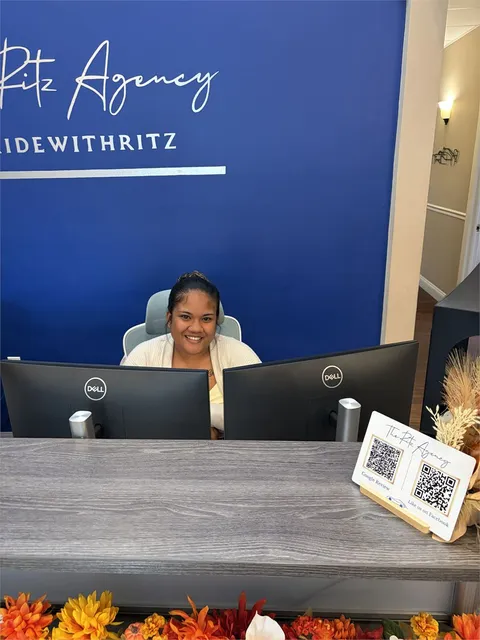
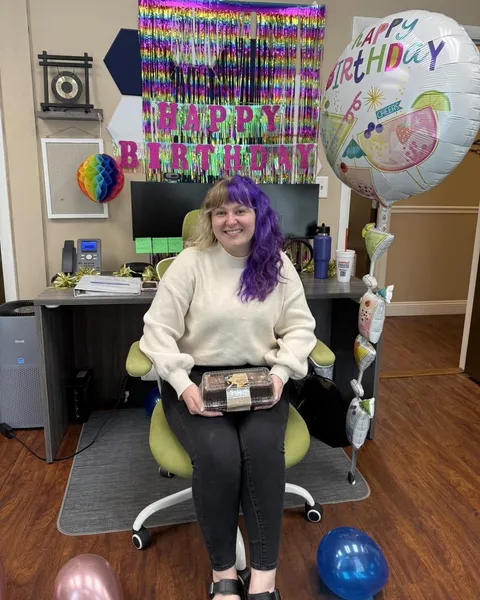
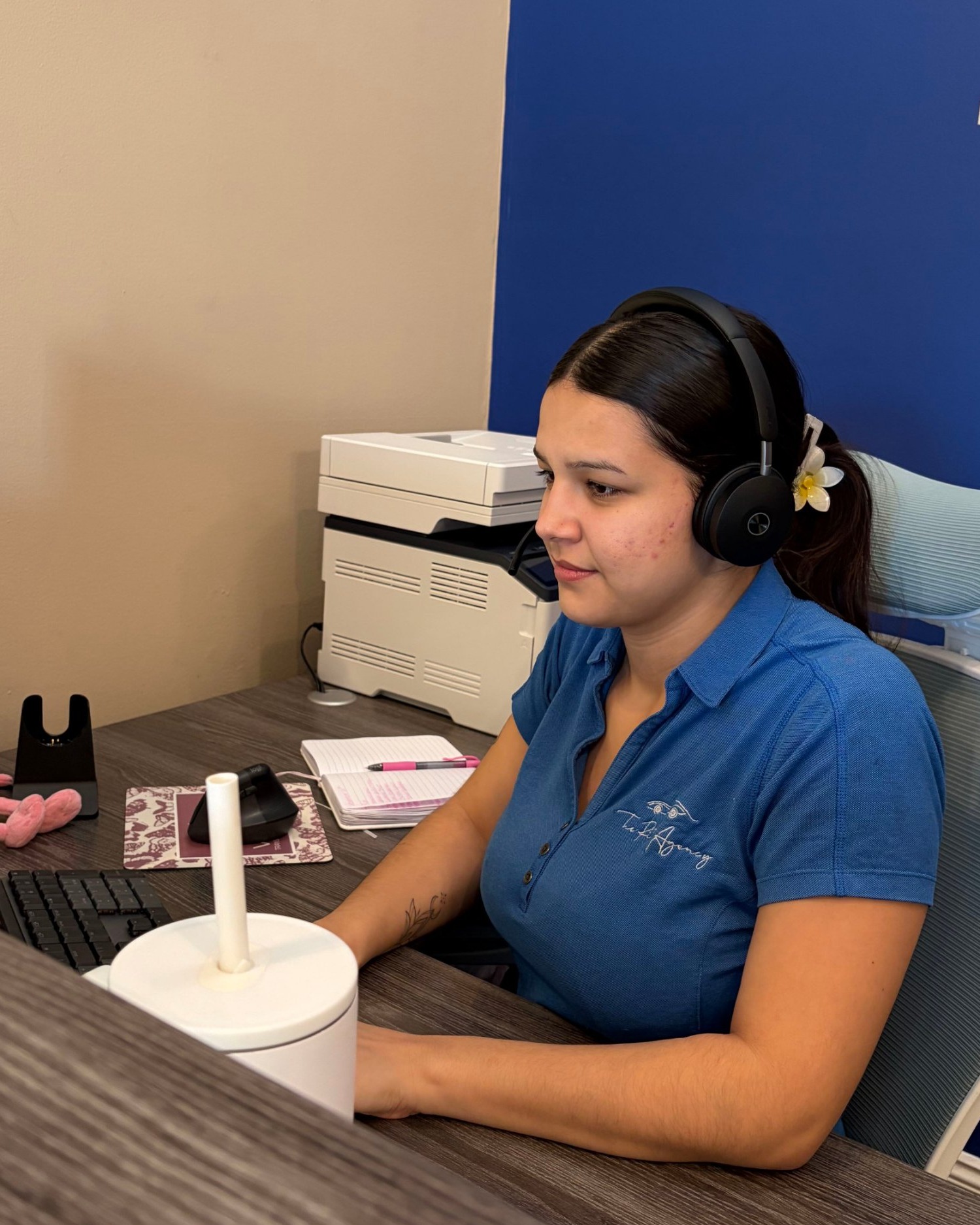
Not a call center. Real people on our Ocala-based team.
▮ Questions
Under Florida law, a golf cart can't go faster than 20 mph. A low-speed vehicle (LSV) has a top speed over 20 mph but no more than 25 mph (Florida Statute §320.01(41)), plus required safety equipment like headlights, turn signals, seat belts, a windshield and a VIN. A cart modified to go faster than 20 mph no longer counts as a golf cart, and it can't be driven on public roads until it meets the LSV requirements. Not sure which you have? We'll help you figure it out before we quote.
A street-legal LSV must be titled, registered and insured like a car. Florida requires at least $10,000 in Personal Injury Protection (PIP) and $10,000 in Property Damage Liability (PDL) for as long as it's registered, and the driver needs a valid driver's license. LSVs can be driven on roads with a posted speed limit of 35 mph or less. Those minimums don't pay for injuries you cause to other people, so LSV policies typically include bodily injury liability too. Letting the insurance lapse can lead to suspension of your license and registration, plus a reinstatement fee of $150 to $500.
Florida doesn't require insurance on a standard golf cart (20 mph or less). But if your cart injures someone or damages property, you can be held responsible, and a homeowners policy may not cover it away from your home. If you financed your cart, your lender may require coverage, and some policies offer loan gap coverage for newer financed carts. That's why we recommend a dedicated golf cart policy.
Sometimes, but often only in limited ways. Many homeowners policies cover a golf cart only on your property or on a golf course, cap theft or damage at a low amount, or exclude vehicles that must be registered, which includes every LSV. Policies vary, so we're happy to review yours and show you exactly where your coverage stops.
It depends on how your cart is used and how it's insured. A golf cart policy written for off-road use generally covers you on the multi-modal paths, in the tunnels, around the town squares and when you cross a road to continue along the path network. If you regularly drive on public roads, or your cart is a registered LSV, you need a policy written for street use. Tell us where you drive, and we'll match the right policy.
Uninsured motorist coverage helps pay for your injuries if a driver without enough insurance hits you. It's available on some golf cart and LSV policies but not all, so if it matters to you, tell us and we'll quote a policy that offers it. Medical payments coverage, where available, helps with medical bills for you and your passengers no matter who caused the accident.
Upgrades such as custom wheels, lift kits, paint, lights and sound systems usually need their own coverage. Some policies include a small amount for accessories and others include none unless you add it, and either way you need to tell us about each upgrade. Cart claims are generally paid at actual cash value, which accounts for depreciation, so list every upgrade and what it cost when you quote.
Family members and guests who drive with your permission are generally covered, but everyone who lives with you or drives the cart regularly should be listed on the policy. Some policies also set minimum driver ages, such as 16 for carts driven on the street, and require drivers 16 and older to hold a valid license. Florida law adds rules for public roads: drivers under 18 need a learner's permit or driver's license, drivers 18 and older need a government-issued photo ID, and anyone driving an LSV needs a valid driver's license.
Yes, with the right coverages. Liability coverage can help if a passenger is hurt and you're found responsible, and medical payments coverage, where available, helps pay passengers' medical bills no matter who caused the accident. We'll walk you through the limits for your riders, including grandchildren.
Yes, if you add comprehensive coverage, which helps pay for theft, vandalism, fire, falling objects, windstorm, hail and flood. Collision coverage handles damage from hitting another cart, a car or an object. Don't wait for a storm: insurance companies typically stop issuing new coverage once a tropical storm or hurricane watch is in effect for the area.
Yes. Many Villages residents live here part of the year, and your cart can stay insured while you're away. Some of the companies we work with can also insure Canadian seasonal residents. Tell us where the cart is stored while you're gone, since that affects the policy.
Yes to both, in most cases. Carts owned by the same household are usually insured together on one policy, with coverage chosen for each cart. If your cart is titled to a trust, some companies can write the policy in the trust's name, while others need the cart in your own name and can list the trust on the policy. Tell us how each cart is titled, and we'll match it to a company that fits.
Just the basics: the year, make and model, the serial number or VIN, the top speed, what you paid and any upgrades, where you keep the cart, whether it's registered for road use, and the names and driver's license details for everyone who will drive it. These policies cover personal use, so let us know if the cart is used for business or rented out. Also tell us if it's homemade, kit-built, has a salvage title, or has been converted between a golf cart and an LSV, since not every company insures those. Our licensed team in Ocala will walk you through your options.
No. We insure golf carts and LSVs anywhere in Florida. That includes all of The Villages, which spans Sumter, Lake and Marion counties. You can get a quote by calling (352) 512-6334, through our website, or by stopping by our office at 1107 E Silver Springs Blvd Ste 1 in Ocala.
▮ Get in touch
Your golf cart deserves the same care as your car. Call (352) 512-6334 Monday through Friday, 8 AM to 5 PM, or request a quote. You can also stop by our office at 1107 E Silver Springs Blvd, Ste 1, Ocala, FL 34470.
We're an Allstate agency that also places business with 20+ other Allstate-vetted carriers. Eligibility depends on your cart and the carrier. We'll review your options with you.
▮ More coverage
▮ Guides
© 2026 The Ritz Agency - All Rights Reserved

